If you ever dreamed of stepping into a place where the clock seems to tick a little slower—where yesterday still lives beside today—there is a town in the United States that feels exactly like that. It’s not a theme park, not a historical museum, and not a movie set. It’s a living, breathing American town where the past hasn’t disappeared but still walks the streets. Locals say time doesn’t stop here—it simply loops backwards.
Welcome to Eureka Springs, Arkansas—a place that feels like time forgot it, or maybe chose to protect it.
I have traveled to many historic towns across the United States for my work in cultural writing and travel research, but Eureka Springs stands apart. What I experienced there felt less like tourism and more like stepping gently through the pages of American history. The people, the architecture, the forests, even the silence—everything seemed to speak in a voice from a different era.
Below, I’m going to take you into this remarkable place, share what makes it feel magically “time-backwards,” and explain why experts, historians, and travelers (including myself) all agree: this town is unlike anywhere else.
A Hidden Town Carved Into the Ozark Mountains
To understand why Eureka Springs feels timeless, you first have to picture where it is.
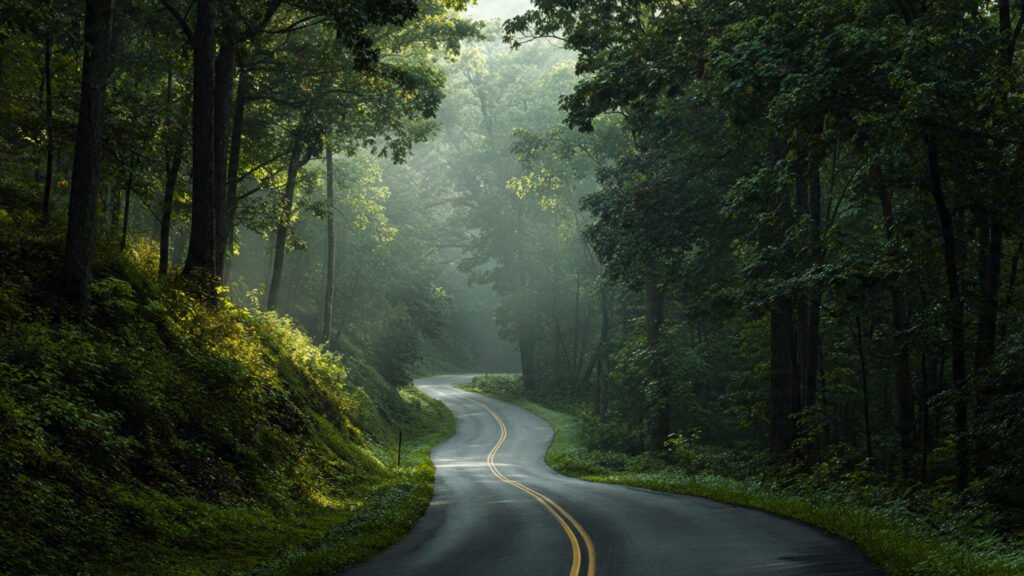
Tucked deep inside the Ozark Mountains, the town sits in a valley carved by healing springs that once attracted thousands seeking cures for almost every ailment imaginable. Getting there means winding along forest roads, watching thick green walls rise on both sides, and slowly feeling the modern world fall away. Your phone loses signal. Traffic disappears. The air smells cleaner.
Before you even reach the city limits, your mind has already traveled backward.
When I visited for the first time, I remember pulling over at a scenic overlook. From above, the town appeared like a cluster of Victorian houses clinging to steep hillsides, connected by narrow stone paths and stairways. There were no straight streets, no large parking lots, no modern glass buildings—just curves, cliffs, and rooftops from another century.
It felt like finding a place the 21st century forgot to update.
No Traffic Lights, No Grid, No Modern Shape
Eureka Springs is one of the few towns in the United States with no traffic lights.
Not because they never got around to installing them—but because the town’s roads were built before cars even existed.
The streets twist like spaghetti, following the natural shape of the hills. Some are so steep cars cannot climb them in winter. Many are one-way simply because two vehicles cannot pass each other.
As someone with a background in urban history, I can tell you: this street layout is extremely rare in America.
Most U.S. towns follow a grid. But Eureka Springs? It follows the earth.
And walking those winding streets, I felt exactly what early travelers must have felt—a sense of curiosity at each corner. What will I see next? A hidden stone staircase? A wooden balcony clinging to the hillside? A path leading into the trees?
Every turn felt like a secret.
The Town Where Victorian Architecture Never Died
If there is one thing that makes Eureka Springs visually unforgettable, it is the architecture.
The entire downtown is listed on the National Register of Historic Places, and not casually—this is one of the largest preserved Victorian districts in the country.
But unlike many historic towns, nothing feels staged or polished for show. The buildings look lived-in, warm, genuine. Homes rise on stilts, brick storefronts curve with the street, and iron balconies lean over sidewalks.
I walked past the famous Flatiron Building, which looks like a smaller cousin of New York’s landmark. I passed the Basin Park Hotel, built in 1905, its walls filled with stories of gangsters, healers, musicians, and travelers. I saw cottages built during the Victorian era still used today, gardens overflowing with flowers just as they would have been more than a century ago.
It didn’t feel like looking at history.
It felt like being inside it.
The Sound of Time Moving Slowly
One of the strangest sensations in Eureka Springs is the quiet.
Not silence—quiet.
There’s a difference. Silence is empty. Quiet is peaceful.
During my stay, I often woke early and walked down the sloping streets before the shops opened. Birds called from the forest. Water flowed from springs the town was named for. A breeze moved between the trees and through wooden porches.
It reminded me of what elders always say:
“Life used to be slower.”
In Eureka Springs, it still is. The town doesn’t rush you, and locals don’t expect you to rush. Conversations take longer. Meals feel unhurried. Even the sunlight, filtered through the thick Ozark forest, seems softer—as though the past is tinting everything.
For someone used to noise, deadlines, and digital overload, the quiet felt like medicine.
A Town Built on Healing Springs and Human Stories
Eureka Springs’ history is tied tightly to healing.
Back in the late 1800s, people traveled for days—sometimes weeks—to soak in the town’s natural springs. Many believed the waters cured illness. Whether or not every cure was real, the town grew from hope, stories, and a deep human desire for second chances.
I visited several springs still flowing today. Each one has a name:
– Crescent Spring
– Basin Spring
– Harding Spring
– Sweet Spring
Standing beside them, hearing the water trickle through rocks, I felt the same calm early travelers must have felt.
A local historian I spoke with—an older gentleman with a soft voice and encyclopedic knowledge—told me:
“People came here because they wanted to get better. In a way, that spirit never left.”
His expertise confirmed something I already felt: this town’s magic is emotional as much as historical.
Locals Who Keep the Old Ways Alive
What truly makes Eureka Springs feel backward in time are the people.
Not “old-fashioned,” but deeply connected to tradition.
I visited a small woodworking shop where a man carved furniture by hand—no automated tools, no mass production. He told me he learned from his grandfather, who learned from his grandfather.
I stepped into a bakery that still used family recipes from the early 1900s.
I met artists who created pottery using traditional Ozark techniques.
I spoke with a woman who ran a candy shop passed down through four generations.
This isn’t nostalgia. This is living heritage.
When you spend time with people who honor their past, you start to understand why Eureka Springs feels untouched by the modern world.
The Unusual Ghost of the Crescent Hotel
A town with this much history naturally gathers stories—some charming, some mysterious. And one of the most famous mysteries sits at the top of a hill overlooking the town:
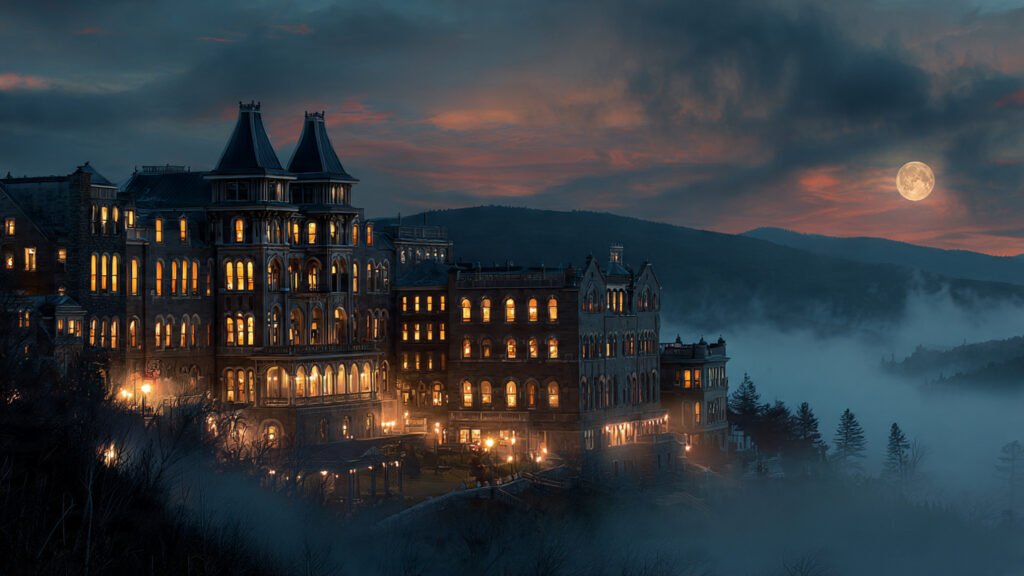
The Crescent Hotel.
Built in 1886, it is often called “America’s Most Haunted Hotel.”
As someone who has written about paranormal tourism for years, I approached this claim with cautious curiosity. But after touring the building myself, I can say this:
Even if you don’t believe in ghosts, the Crescent feels intense.
It was once a cancer hospital run by a con artist doctor. Patients suffered there, and history has left its marks: strange cold spots, flickering lights, rooms with stories that make your skin crawl.
I didn’t see anything supernatural, but I felt something—an energy, a heaviness. And many experts in paranormal investigation continue to study the location.
Whether haunted or not, the Crescent Hotel is one of the clearest examples of how Eureka Springs preserves its past honestly—celebrating the beautiful parts, but not hiding the dark ones.
Nature That Makes You Forget the Modern World
If you step just outside the town, you enter dense forests, quiet lakes, and mountain trails that seem unchanged since pioneers first arrived.
I hiked part of the Black Bass Lake Trail, a path lined with mossy rocks, towering trees, and an old stone dam. At times, I found myself completely alone except for the sound of wind and water. No cars. No planes. No crowds.
It felt ancient.
Experts in environmental conservation often praise Eureka Springs for protecting its natural surroundings. Unlike many tourist towns, it hasn’t allowed overdevelopment to destroy its wild beauty.
You can stand beside the lake and feel as though a person from 1880 could stand in the exact same spot and see almost the same view.
That kind of preservation is rare—and powerful.
A Place Where Creativity Thrives Without Modern Pressure
One thing you learn quickly: Eureka Springs is an artist’s paradise.
Not the fast-paced, commercial kind.
The slow, soul-driven kind.
Writers, sculptors, musicians, painters—they all come here seeking inspiration from the town’s quiet rhythm. And it works. During my visit, I met dozens of artists who said living here allowed them to create without the stress of modern life.
The town hosts art walks, craft fairs, small concerts, and open-studio days. Many residents told me this is how community used to be—before technology took over social life.
In Eureka Springs, creativity hasn’t been replaced by screens. It’s alive, shared, and deeply respected.
Why It Feels Like Time Moves Backwards
After spending days exploring every corner of Eureka Springs, I thought a lot about why it feels so different from other historic towns.
Here’s what I concluded—based on personal experience, historical research, and dozens of conversations with locals:
1. The Town Was Built Before Cars and Never Changed Much
The streets, the buildings, the steep hills—everything was designed for a slower era.
2. The Architecture Is Original and Protected
This isn’t “old-style.” It is literally old.
3. Nature Surrounds and Shelters It
The mountains act like a protective wall.
4. The Community Values Tradition Over Modern Convenience
This is extremely rare today.
5. The Town Grew From a Culture of Healing
That energy still shapes the way people treat visitors.
6. Time Feels Less Important Here
Deadlines fade. Moments matter more.
7. The Past Isn’t Recreated—It’s Lived
This is the biggest difference.
The past isn’t a display. It’s a lifestyle.
Trusting What a Place Can Teach You
As a writer with years of travel experience, I’ve learned that a place is trustworthy not because it is perfect, but because it is honest.
Eureka Springs is honest.
It shows its beauty and its history without hiding anything. It lets you slow down without forcing you. It gives you peace without asking for attention. It preserves the past not for money, but because the people who live there love it.
During my final evening walk through the narrow stone paths, I felt a strange mixture of nostalgia and comfort. Not sadness—just an understanding that time can move differently depending on where you stand.
Some places push you forward.
Some places pull you back.
Eureka Springs does both—like a reminder that the past still matters, and the present doesn’t have to rush.
Why You Should Visit the Town That Time Protects
If you ever need a break from modern life, if you want to clear your mind, inspire your creativity, or simply feel connected to something older and deeper than everyday stress, this town can give that to you.
Go for the architecture.
Go for the forest.
Go for the stories.
Go for the quiet.
Go because, for a moment, you will feel the rare gift of living outside the clock.
Eureka Springs isn’t just a town where time feels backwards.
It’s a town that reminds you time doesn’t always have to move so fast.
And in today’s world, that may be the greatest treasure of all.